A dental appointment should never feel rushed or mysterious. A dental check-up and clean is a practical opportunity to understand what is happening in your mouth before a small concern becomes a painful, more complex or more costly problem. For busy families in Deer Park and Melbourne’s west, it is also a simple way to stay on top of your oral health with care that is tailored to you.
At Tooth Shine Dental, we take a gentle, prevention-led approach. That means listening to your concerns, examining your teeth and gums carefully, explaining what we find in plain language, and discussing your options without pressure.
What is included in a dental check-up and clean?
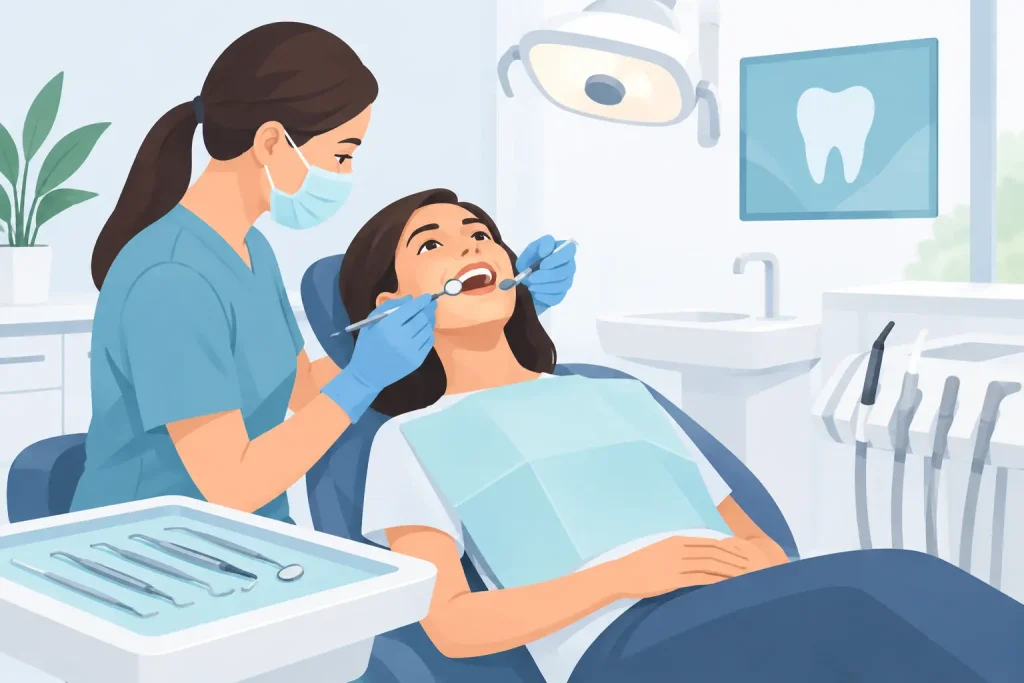
A check-up and clean has two connected parts: a thorough examination of your oral health and professional removal of plaque, hardened tartar and surface staining. The appointment is not simply about making teeth look brighter. It helps identify early changes that you may not be able to see or feel at home.
Your dentist will usually begin by asking how your teeth and gums have been feeling. Let us know if you have noticed bleeding when brushing, sensitivity, bad breath, jaw discomfort, a broken filling, a sore tooth or anything else that feels different. Even a symptom that comes and goes can provide a useful clue.
The examination may include checking your teeth for decay, wear, cracks, leaking fillings and signs of infection. Your gums are assessed for inflammation and gum disease, while your bite, jaw and soft tissues inside the mouth are also reviewed. When clinically needed, dental X-rays may be recommended to look between teeth and beneath the gumline, where problems are not visible during a visual examination.
The cleaning part of the visit is adjusted to the condition of your gums and the amount of build-up present. Plaque is a sticky layer of bacteria that forms each day. If it is not removed thoroughly, it can harden into tartar, which cannot be brushed away at home. Tartar can irritate the gums and make it easier for more plaque to collect.
We use modern cleaning techniques, including Guided Biofilm Therapy where appropriate, to remove biofilm and deposits as gently and effectively as possible. Your teeth may then be polished to lift surface stains and leave your mouth feeling fresh. A clean does not replace daily brushing and interdental cleaning, but it can reach areas that are difficult to manage alone.
Why gum health deserves close attention
Healthy gums are the foundation for a healthy smile. Gum disease can begin quietly, often with bleeding during brushing or flossing, swollen gums, persistent bad breath or gum recession. Some people have very few obvious symptoms until the condition is more advanced.
Early gum inflammation can often be improved with professional cleaning and better home care. More established gum disease may need a deeper level of treatment and ongoing maintenance. The right approach depends on your individual gum assessment, the depth of any gum pockets, your medical history, smoking or vaping habits, home cleaning routine and other risk factors.
A good dental check-up and clean is not about giving every patient the same advice. Someone with healthy gums and low decay risk may need a different recall interval from a person with a history of gum disease, frequent decay, dry mouth or complex dental work. Personalised recommendations help make appointments purposeful rather than routine for routine’s sake.
How often should you book?
Many adults and children benefit from a check-up and clean every six months, but six months is not a rule that fits everyone. Your dentist may suggest appointments every three to four months if you are managing gum disease, building tartar quickly or have a higher risk of decay. Others with stable oral health may be suitable for a longer interval.
The most useful timing is the one based on your needs, not a generic reminder. If you are unsure when you last attended, booking now is sensible, particularly if you have bleeding gums, sensitivity, toothache or a concern that has been waiting in the background.
For children and families
Regular visits help children become familiar with the dental chair before treatment is ever needed. The focus is on gentle introductions, checking how teeth and jaws are developing, discussing brushing and diet, and making the experience calm and positive.
For parents, appointments are also a chance to ask practical questions. This may include when to start using toothpaste, how to manage a child who dislikes brushing, whether mouthguards are needed for sport, or whether crowded teeth need monitoring. Small guidance early can prevent avoidable problems later.
Does a clean hurt?
A professional clean should be as comfortable as possible, but the experience depends on the condition of your gums and teeth. If your gums are inflamed, they may be tender or bleed during cleaning. This does not necessarily mean the clean is harming them. Often, it is a sign that bacteria and tartar have already caused irritation.
Please tell your dentist or oral health professional if you are anxious, have sensitive teeth, dislike particular sensations or need a break. Gentle care includes working at a pace that feels manageable. There are often ways to reduce sensitivity and make treatment more comfortable, particularly when we know your concerns from the start.
If significant gum disease is present, a standard clean may not be enough. Your clinician will explain what is needed, why it is recommended and the expected costs before proceeding. There should be no surprises and no pressure to make a decision before you understand your choices.
What to do between appointments
The value of your clean lasts longer when daily care supports it. Brush twice a day with fluoride toothpaste, taking time to clean along the gumline. Clean between your teeth once a day using floss, interdental brushes or another option recommended for your mouth. The best tool is the one that fits properly and that you can use consistently.
Try to limit frequent sugary snacks and drinks, rather than focusing only on the total amount of sugar consumed. Frequent exposure gives mouth bacteria more chances to produce acid. Water is usually the kindest everyday drink for teeth, especially between meals.
If you wear a night guard, clear aligners, dentures or a retainer, bring it to your appointment when possible. These appliances need checking and cleaning too. Mention any changes in fit, discomfort or damage.
When a check-up should not wait
Routine prevention is valuable, but some symptoms need prompt attention. Contact a dentist as soon as possible for severe or persistent toothache, facial swelling, a knocked-out or broken tooth, uncontrolled bleeding, a dental infection, or pain that is affecting sleep and daily life. Swelling with difficulty breathing or swallowing requires urgent medical attention.
A cracked tooth, lost filling or sore wisdom tooth may not always be an emergency, but waiting can allow the problem to worsen. An early assessment may mean a simpler solution.
Clear costs and a considered plan
For new patients, Tooth Shine Dental offers a check-up and clean for $179, or no gap for eligible private health insurance members. Eligibility and inclusions can vary, so it is always worth confirming your cover before your visit. If further care is recommended, you should receive a clear explanation of the findings, available options and fees before treatment begins.
The goal of a dental visit is not to sell treatment. It is to give you an accurate picture of your oral health and the confidence to make informed decisions. Whether your smile needs a routine clean, focused gum care or simply reassurance that everything is on track, a thoughtful appointment can make looking after your teeth feel much easier.