A tooth can begin to decay long before it hurts. That is why knowing how to prevent tooth decay is far more valuable than waiting for a toothache, a broken filling or an emergency appointment. Small, consistent habits at home, paired with regular dental care, can protect your family’s teeth, gums and confidence for years to come.
Tooth decay is common, but it is not inevitable. Your risk depends on more than whether you brush twice a day. Diet, saliva flow, gum health, fluoride exposure, the shape of your teeth, medical conditions and even how often you snack all play a part. The most helpful approach is personalised: understand your risks, then make prevention practical for your routine.
What causes tooth decay?
Tooth decay occurs when bacteria in dental plaque use sugars and carbohydrates from food and drinks to produce acid. That acid temporarily softens the protective outer layer of the tooth, known as enamel. Over time, repeated acid attacks can create a hole in the tooth, also called a cavity.
Plaque is a soft, sticky film that forms every day. If it is not removed thoroughly, it can build up around the gumline, between teeth and in the grooves of back teeth. Decay can progress quietly, particularly between teeth or underneath old fillings, which is why an apparently healthy smile can still need attention.
Early decay may sometimes be slowed or reversed before a cavity forms. Once there is a physical hole, however, the tooth generally needs treatment such as a filling to prevent the damage becoming deeper. Left untreated, decay may reach the nerve of the tooth and lead to severe pain, infection or the need for more complex treatment.
How to prevent tooth decay with daily care
Brush carefully, not hurriedly
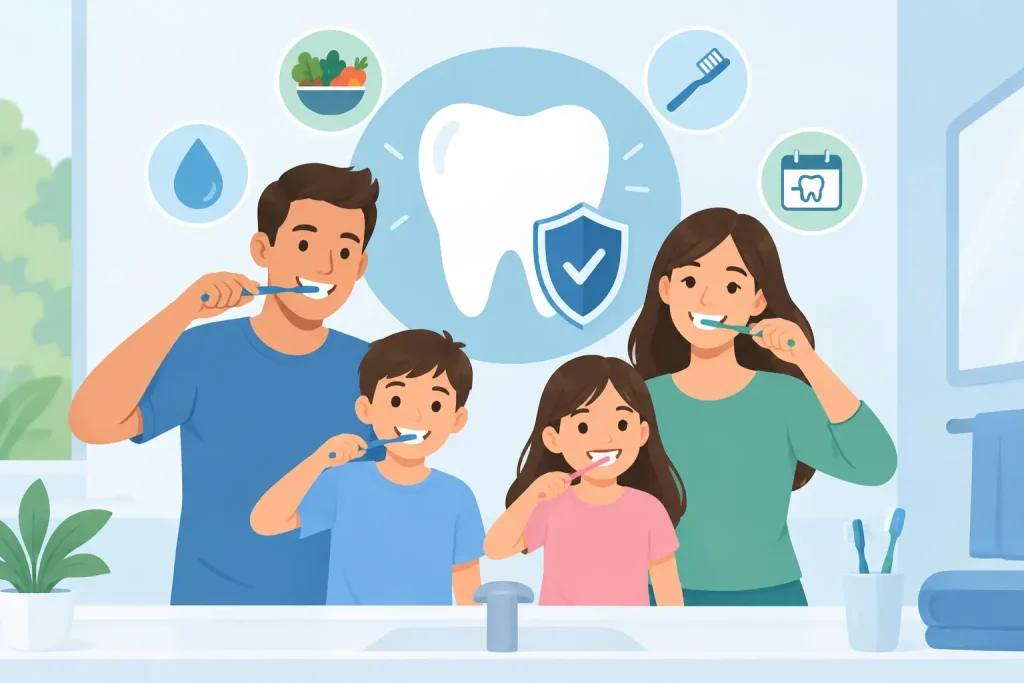
Brush twice a day for two minutes using a soft toothbrush and fluoride toothpaste. One brush should be before bed, because saliva flow drops while you sleep and teeth have less natural protection overnight. Spit out excess toothpaste after brushing, but avoid rinsing with water straight away. This allows fluoride to stay on the teeth for longer.
Technique matters as much as timing. Angle the bristles gently towards the gumline and use small, controlled movements. Take time around the back teeth, behind the lower front teeth and along the gum margins, where plaque is easily missed. Brushing too hard does not clean better and can irritate gums or wear tooth surfaces over time.
For young children, parents should help or supervise brushing until the child has the coordination to clean thoroughly on their own. This is often later than families expect. A small smear of age-appropriate fluoride toothpaste is usually sufficient for very young children, while older children can use a pea-sized amount. Ask your dentist for advice tailored to your child’s age, decay risk and ability to spit.
Clean between teeth every day
A toothbrush cannot properly clean the tight spaces between teeth. Floss, interdental brushes or other suitable cleaning aids remove plaque from places where decay and gum disease often begin.
The best option depends on the spacing of your teeth, dental work and gum health. Floss may suit close contacts, while interdental brushes can be more effective where there are larger spaces. If your gums bleed when you start cleaning between teeth, do not assume you should stop. Bleeding often signals inflammation from plaque buildup. Gentle daily cleaning usually improves this, but ongoing bleeding deserves a dental assessment.
Make fluoride part of your routine
Fluoride strengthens enamel and helps it recover after early acid exposure. Fluoride toothpaste is a cornerstone of prevention for most people. Depending on your individual risk, a dentist may also recommend a higher-strength fluoride toothpaste, fluoride varnish in the clinic or a fluoride mouth rinse.
More fluoride is not automatically better for everyone, especially children. Use products as directed and keep toothpaste out of reach of toddlers. Personal advice is particularly useful if you have frequent decay, dry mouth, exposed root surfaces, braces, crowns or a history of extensive dental treatment.
Food and drink choices matter more than perfection
Sugar is not the only factor in tooth decay, but frequent sugar exposure is a major driver. Each time you have a sweet snack, soft drink, juice, sports drink, cordial or sugary coffee, bacteria can produce acid. Teeth need time between these episodes to recover.
Rather than aiming for an unrealistic perfect diet, focus on frequency. It is generally kinder to teeth to enjoy sweet foods occasionally with a main meal than to graze on them throughout the day. Water is the best everyday drink, and tap water is usually a practical choice for families.
Sticky snacks can cling to teeth, while acidic drinks can soften enamel directly. Dried fruit, biscuits, lollies and flavoured milks may be convenient, but regular snacking can increase risk. After acidic food or drink, wait around 30 minutes before brushing so softened enamel is not scrubbed away. A drink of water, or chewing sugar-free gum if appropriate, can help stimulate saliva instead.
Do not overlook gums and dry mouth
Healthy gums support healthy teeth. When plaque remains at the gumline, it can cause gingivitis, leading to redness, swelling and bleeding. Over time, untreated gum disease can affect the bone supporting the teeth and expose root surfaces, which are more vulnerable to decay than enamel.
Dry mouth also increases decay risk because saliva helps wash away food particles, neutralise acids and protect enamel. It can be linked with some medicines, mouth breathing, dehydration, certain health conditions and cancer treatments. Persistent dry mouth, difficulty swallowing dry foods or a constantly sticky feeling in the mouth should be discussed with your dentist or GP.
Sipping water regularly may help, but it does not replace assessment. Your dental team can identify patterns of wear, decay or gum inflammation and suggest options that suit your health needs.
Regular check-ups help prevent bigger problems
A dental check-up is not simply a search for holes in teeth. It is an opportunity to assess your gums, bite, existing fillings and crowns, oral hygiene, decay risk and any changes that may not be visible or painful yet. Dental X-rays may be recommended when clinically needed to check between teeth and beneath existing restorations.
The right recall interval varies. Someone with excellent oral health and low risk may need less frequent reviews than a person managing gum disease, dry mouth, multiple fillings or active decay. Personalised recall is more useful than a one-size-fits-all schedule.
Professional cleans are also tailored. Plaque can be removed at home, but hardened calculus cannot. A gentle professional clean can remove deposits and help your clinician identify areas that need more attention. At Tooth Shine Dental, prevention-led appointments include individual gum-health and risk assessments, so recommendations are based on what your mouth actually needs.
Extra protection for children and higher-risk teeth
Back teeth have deep grooves that can trap plaque even when brushing is good. Fissure sealants may be suitable for children, teenagers and some adults with vulnerable molars. These protective coatings help seal grooves where decay commonly starts.
Children benefit from an early, positive introduction to dental visits. It allows the dental team to monitor tooth development, check brushing habits and give parents clear guidance before problems arise. For children who are anxious, short, calm appointments and familiar routines can make a meaningful difference.
Adults may need additional prevention when they have orthodontic appliances, crowns and bridges, recession, diabetes, frequent snacking, reflux or previous high decay activity. Prevention is never about blame. It is about recognising the conditions in your mouth and choosing realistic ways to reduce risk.
When should you book an appointment?
Book promptly if you notice a toothache, sensitivity that lingers after hot or cold foods, a visible dark spot or hole, a broken tooth, bad taste, swelling, bleeding gums or food constantly catching between teeth. These symptoms do not always mean the same thing, but early assessment can often make treatment simpler and more comfortable.
For swelling of the face or jaw, severe pain, trauma or a broken tooth causing sharp edges, seek urgent dental advice. Do not place aspirin on a sore tooth or gum, as it can burn the tissue.
Preventing tooth decay is not about getting every meal or brushing session perfect. It is about giving your teeth more protection than acid attacks, day after day. A calm check-up, honest advice and a few sustainable changes can keep small concerns from becoming painful, costly problems.