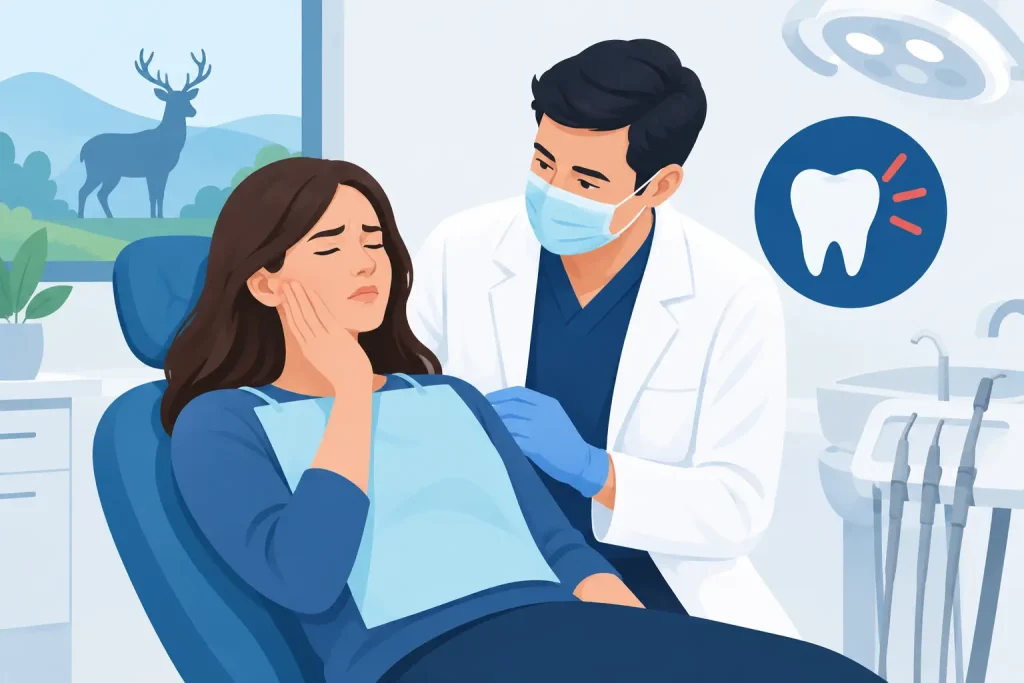
A toothache that keeps you awake, a chipped front tooth before work, or swelling around a wisdom tooth can make the whole day feel impossible. If you need an emergency dentist Deer Park today, the priority is to understand what needs prompt dental care, what you can safely do at home, and when symptoms need hospital attention instead.
Dental emergencies are not always dramatic. A small crack, lost filling or dull ache may not look urgent at first, but waiting can allow bacteria, inflammation or damage to progress. Gentle, timely care can often relieve pain and help protect more of your natural tooth.
When to seek an emergency dentist in Deer Park
You should contact a dentist promptly if you have severe or persistent tooth pain, facial or gum swelling, a broken, cracked or knocked-out tooth, uncontrolled bleeding from the mouth, or a lost filling or crown that is causing pain or sharp edges. Pain on biting, a bad taste around a tooth, or sensitivity that lingers after hot or cold foods can also point to an infection or a cracked tooth that needs assessment.
A dental team will ask about your symptoms, how long they have been present, whether you have swelling or fever, and any medical conditions or medicines that may affect treatment. This helps them determine how urgently you need to be seen and prepare for the most appropriate care.
Not every problem needs the same treatment. A lost filling may be stabilised with a new restoration, while severe pain from an infected nerve may require a protective filling, root canal treatment or, in some cases, extraction. The right option depends on the tooth, the infection, your gum health and the long-term outlook. A careful examination comes before assumptions.
When to go to hospital
Call emergency services or attend the nearest hospital emergency department if swelling is affecting your breathing or swallowing, spreading rapidly towards your eye or neck, or accompanied by a high fever or severe illness. These symptoms can signal a serious infection that needs urgent medical management.
A dentist is still the right place for most toothaches, broken teeth, lost restorations and localised dental swelling. However, never wait for a dental appointment if breathing or swallowing is difficult.
What to do before your appointment
The goal at home is comfort and protection, not a permanent fix. Rinse gently with warm salty water if your gums are sore or swollen, and keep the area clean with a soft toothbrush. If there is bleeding after an injury, apply gentle, steady pressure with clean gauze or a clean cloth.
For pain relief, use over-the-counter medicine only as directed on the packet and only if it is suitable for you. A pharmacist can help if you are unsure. Do not place aspirin, alcohol, clove oil or other substances directly onto the gum or tooth. They can burn delicate tissue and make the area more painful.
A cold pack wrapped in a cloth may help reduce swelling on the outside of your cheek. Choose soft foods, chew on the other side where possible, and avoid very hot, cold, sweet or hard foods that trigger the tooth. If a crown has come off, keep it safe and take it with you. Avoid using household glue to reattach it.
If a permanent tooth has been knocked out, hold it by the crown – the visible chewing part – rather than the root. If it is dirty, rinse it briefly in milk or saline without scrubbing. If you can place it gently back in its socket, do so and bite on clean gauze. If not, store it in milk and seek urgent dental care straight away. Time matters greatly for a knocked-out adult tooth.
What happens at an urgent dental visit
An emergency appointment should not feel rushed simply because you are in pain. Your dentist will listen to what has happened, examine the tooth and surrounding gums, and may take a digital X-ray to see what cannot be viewed from the surface. They will check for decay, cracks, infection, trauma, loose restorations and gum concerns.
The first aim is usually to settle pain, protect the tooth and address active infection or damage. This may involve smoothing a sharp edge, placing a temporary or permanent filling, re-cementing a crown where appropriate, draining an infection, starting root canal treatment, treating gum inflammation or removing a tooth that cannot be saved safely.
Sometimes the best care is staged. For example, when a tooth is very inflamed, your dentist may provide treatment to relieve pressure and pain before completing the final restoration at a later visit. This is not a compromise in care. It can be the safest and most comfortable way to manage a complex problem.
At Tooth Shine Dental, urgent care is approached with the same thoughtful attention as routine treatment. You should be told what has been found, what treatment is recommended, what alternatives exist and what fees are involved before proceeding wherever circumstances allow.
Why antibiotics are not always the answer
It is understandable to hope that antibiotics will make a dental infection disappear. Yet antibiotics do not repair a cracked tooth, remove decay, drain an abscess or treat an infected nerve. They may be needed when infection is spreading or you are systemically unwell, but they are not a replacement for dental treatment.
Using antibiotics when they are not clinically indicated can contribute to resistance and may delay the treatment that actually resolves the source of pain. Your dentist will assess whether they are appropriate for your situation and explain why.
Common emergencies and likely treatment paths
A sharp tooth or broken filling can often be made comfortable with smoothing, a filling or a protective temporary restoration. A fractured tooth may need a crown if enough healthy tooth structure remains, although deeper cracks have a less predictable outcome.
A painful wisdom tooth is often caused by inflamed gum tissue around a partially erupted tooth. Cleaning the area, managing infection where present and discussing whether removal is sensible can prevent repeat flare-ups. Wisdom teeth do not always need to come out, but recurring pain, decay, gum disease or damage to the neighbouring tooth are meaningful reasons to consider removal.
A front tooth broken in a fall or sporting injury can be distressing, particularly for children and teenagers. Depending on the fracture, the tooth may be repaired with tooth-coloured filling material, protected with a crown, or monitored if the nerve has been affected. Bring any tooth fragments with you if they can be found.
How to reduce the chance of another emergency
Some dental emergencies are accidents. Others develop slowly from untreated decay, worn fillings, gum disease or teeth grinding. Regular check-ups allow small problems to be found before they turn into a Saturday-night toothache or an urgent extraction.
Prevention is individual. A person with dry mouth, frequent snacking, reflux, diabetes, gum disease or a history of cracked teeth may need a different recall schedule from someone with a low risk of decay. A personalised gum-health and risk assessment gives a clearer picture than a one-size-fits-all recommendation.
If you grind your teeth, a professionally made night guard may help protect teeth and restorations. If sport is part of your family routine, a fitted mouthguard is one of the simplest ways to reduce the risk of chipped or knocked-out teeth.
A calm next step when you are hurting
If dental pain, swelling or damage is getting in the way of eating, sleeping or concentrating, contact a local dental clinic as soon as possible and describe your symptoms clearly. Ask about same-day availability, likely fees and what to bring. Prompt advice can turn a worrying problem into a manageable plan, with your comfort and long-term oral health kept firmly in view.